From Bean to Cup: How Quiet City Coffee Crafts the Perfect Espresso
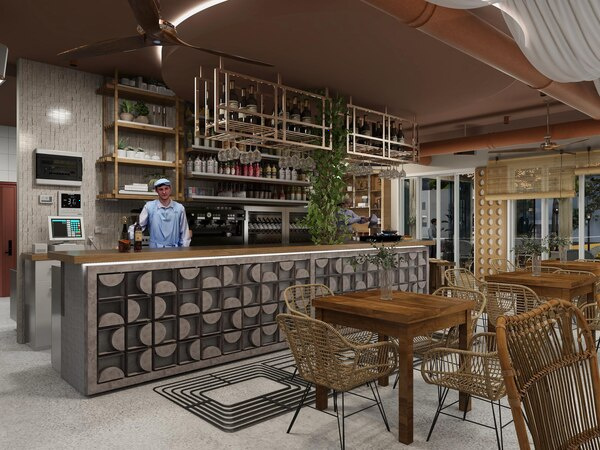
From the moment a coffee cherry ripens on a distant hillside to the instant a rich, tawny crema settles in your cup, every step shapes what you taste. At Quiet City Coffee, espresso isn’t just a drink; it’s the end result of hundreds of deliberate decisions—each one designed to highlight clarity, sweetness, and balance.
This is how they get there, from bean to cup.
Sourcing: Finding Character at the Origin
Quiet City Coffee starts by treating green coffee not as a commodity, but as an agricultural product with terroir—like wine or olive oil.
Direct relationships and traceability
They prioritize:
- Single-origin lots and transparent blends: Every component can be traced back to a specific farm, cooperative, or washing station.
- Relationships over spot-buying: Long-term partnerships allow producers to invest in quality improvements, knowing there’s a stable buyer.
- Seasonality: Coffees are purchased in sync with harvest calendars—Central American lots in one part of the year, East African and South American in another—so espresso is always built on fresh-crop beans.
Choosing the right coffees for espresso
Not every beautiful coffee works as espresso. Quiet City looks for:
- High sweetness: Natural grape, sugarcane, or caramel sweetness that will withstand high pressure and concentration.
- Clean profiles: Minimal defects and low astringency, so flavors stay clear even at espresso intensity.
- Balanced acidity: Enough brightness to keep the shot lively, but not so much that it becomes sharp or sour when pulled short.
Processing methods—washed, honey, natural, and experimental fermentations—are selected for their effect on flavor and texture. Washed coffees may bring clarity and citrus; naturals can add berry-like depth and heavier body. Blends balance these traits to build a structured, repeatable espresso profile.
Roasting: Sculpting Flavor for Espresso
Once the coffees arrive, roasting is where raw potential is made usable. Espresso roasts demand more precision than almost anything else the roastery does.
Profile design and data
Quiet City Coffee roasts on machines equipped with precise temperature and airflow control, logged in real time. Their approach:
- Profile curves for each coffee: Charge temperature, heat application, and airflow are tuned so that each green coffee’s density, moisture, and processing are properly accounted for.
- Roast development for espresso: Compared to filter roasts, espresso profiles often have:
- Slightly longer development after first crack for more solubility and sweetness.
- Careful avoidance of surface oils or smoky notes, which can quickly dominate the cup.
- Iterative cupping and test shots: New coffees are cupped first, then tested on the espresso machine. Roast parameters are adjusted until shots pull consistently sweet and balanced across a wide range of brew ratios.
Balancing solubility and complexity
The core challenge: espresso magnifies everything. A beautiful but underdeveloped roast becomes grassy and sour under pressure; an overdeveloped one turns flat and bitter.
Quiet City’s roasters aim for:
- Soluble but not flat: Beans must extract easily at espresso grind size without requiring extreme parameters.
- Complexity that survives concentration: Florals and delicate fruit notes risk disappearing in a 1:2 ratio shot unless supported by enough body and sweetness.
Roasts are then allowed to rest and degas, usually several days, so carbon dioxide can escape. Pulling shots too early may lead to erratic flow, unstable crema, and inconsistent flavor.
Grinding: Precision on a Microscopic Scale
If roasting is about potential, grinding is about control. Espresso is unforgiving; even tiny changes in grind size can shift extraction dramatically.
Espresso-specific grinders
Quiet City uses commercial grinders with:
- Large, sharp burrs for consistent particle size, which leads to more predictable extraction.
- Low retention and good heat management, so grounds are fresh and not warmed excessively.
- Micrometric adjustment: Being able to tweak grind by fractions of a step lets baristas respond precisely to changes in humidity, bean age, or roast level.
Daily calibration starts with:
- Tasting reference shots of each espresso.
- Adjusting grind size and dose until shots hit target times and flavor balance.
- Logging changes so patterns can be tracked over time.
Dose and distribution
The amount of coffee (dose) and how it’s distributed in the basket are just as crucial as the grind:
- Consistent dosing ensures that every puck presents a similar resistance to water.
- Even distribution and proper tamping help prevent channeling, where water finds weak spots and extracts unevenly, causing both sour and bitter notes in the same cup.
Tools like distribution paddles and calibrated tampers are used not as gimmicks, but as standardization tools—reducing variables so flavor, not inconsistency, leads the experience.
The Machine: Pressure, Temperature, and Stability
The espresso machine is the interface between all the preparation and the final shot.
Temperature and pressure control
Quiet City’s machines are chosen for:
- Stable brew temperatures: Even a 1–2°C fluctuation can shift acidity and sweetness noticeably.
- Programmable pressure and pre-infusion: A gentle, lower-pressure pre-infusion can saturate the puck uniformly before full pressure is applied, limiting channeling.
- Independent group heads: Each espresso profile can run at its ideal temperature and pressure without affecting another.
Machines are calibrated to:
- Keep boiler water clean and mineral-balanced.
- Maintain consistent line pressure.
- Deliver repeatable shot times when paired with the correct grind and dose.
Water as an ingredient
The water passing through the coffee is as influential as the beans themselves. Quiet City treats water as an ingredient:
- Mineral content tuned for extraction: Typically moderate hardness, with calcium and magnesium at levels that support proper extraction without scaling the machine.
- Balanced alkalinity to buffer acidity so that brightness reads as juicy rather than harsh.
- Filtration and testing to avoid off-flavors from chlorine, metals, or excessive bicarbonates.
The result is water that dissolves flavor compounds efficiently while letting the coffee’s origin character remain clear.
The Recipe: Ratios, Time, and Flow
While equipment and ingredients set the stage, espresso ultimately comes to life through a recipe.
Defining the espresso style
Quiet City builds recipes around:
- Dose: Often in the range of 17–20 g for a standard double, adjusted per basket and coffee.
- Yield: The liquid mass in the cup, usually 1.8–2.3 times the dose (a 1:1.8–1:2.3 ratio), depending on whether they’re aiming for a richer, syrupy shot or a more modern, longer espresso.
- Time and flow: How long it takes to reach that yield, commonly 25–32 seconds from pump start, with attention to how the flow looks and how the crema forms.
These numbers are starting points. The real work happens in tasting.
Tasting and dialing in
Each espresso is dialed in through sensory feedback:
- If a shot is sharp, sour, or hollow, they may grind finer, increase time, or slightly raise the temperature.
- If a shot is bitter, drying, or ashy, they may coarsen the grind, lower the temperature, or shorten the yield.
- If it’s lacking sweetness, they adjust both ratio and temperature to find where sugars and aromatics present best.
Baristas taste frequently across a shift, not only in the morning. As beans age, humidity shifts, or volume picks up, the recipe is tweaked to keep the flavor profile aligned with the roaster’s intent.
Barista Craft: Consistency and Intent
Quiet City Coffee’s baristas are not just operating machines; they’re interpreting coffees.
Technique and repetition
Training focuses on:
- Consistent puck prep: Same distribution pattern, same tamp pressure, same basket for each drink.
- Visual cues: Watching for the moment the stream blondes, assessing body and crema, and listening for changes in pump sound.
- Cleanliness and maintenance: Wiping and purging group heads, cleaning baskets and screens, and keeping grinders free of stale grounds.
These seemingly small practices help ensure that the tenth espresso of the morning tastes as intentional as the first.
Respecting the drinker’s preference
The “perfect” espresso isn’t one-flavor-fits-all. Quiet City balances their house profile with a readiness to adjust within reason:
- Offering a house blend that’s forgiving in milk and approachable on its own—chocolate, caramel, maybe stone fruit.
- Featuring single-origin espressos with more adventurous acidity and distinct origin character for those who want something brighter or more complex.
- Making small, on-the-spot adjustments when a guest prefers “a bit less intense” or “a bit more syrupy,” within the bounds of what the coffee can do well.
The goal is not to impose a standard, but to guide each drinker toward an espresso experience that feels both precise and personal.
Milk, if You Want It
Many guests meet Quiet City’s espresso through milk drinks. The quality of espresso becomes even more important here, because milk can easily flatten a weak shot—or elegantly amplify a good one.
- Steaming is kept slightly cooler than in some shops to preserve milk’s natural sweetness and avoid cooked flavors.
- Texture stays glossy and integrated, blending seamlessly with the espresso’s crema to create a unified flavor rather than layers.
- Recipes for cappuccinos, flat whites, and lattes are designed so that espresso remains present—chocolate, caramel, or fruit tones cutting through the milk instead of disappearing.
In everything, the espresso remains central—the backbone, not just an ingredient.
Feedback Loop: Constant Refinement
Quiet City’s idea of “perfect” espresso is not static. It evolves through:
- Cupping sessions at the roastery and bar, where new lots, blends, and roast profiles are evaluated blind.
- Barista feedback on how coffees behave during rush periods versus quiet times.
- Guest input—which coffees become favorites, which notes are consistently mentioned, and where expectations around intensity, acidity, or body are shifting.
Data from grinders, machines, and sales is combined with sensory impressions to refine offerings over time. A blend might be adjusted next season, a single-origin might be roasted a bit lighter or darker, a water profile might be tuned slightly. Each small change moves their espresso closer to the ideal: expressive, sweet, and balanced, day after day.
From Bean to Cup: A Deliberate Journey
In the end, the perfect espresso at Quiet City Coffee is not the work of a single moment at the machine. It’s the product of:
- Careful sourcing and respectful relationships at origin.
- Thoughtful roasting that honors both complexity and drinkability.
- Precise grinding, dosing, and machine calibration.
- Intentional recipes and skilled baristas who taste, adjust, and repeat.
- An ongoing willingness to listen—to the coffee, to the data, and to the people drinking it.
By the time that small, dense cup reaches the saucer in front of you, dozens of variables have already been considered and refined. All that remains is a few quiet seconds, a sip, and the realization that something so small can contain a journey that spans farms, oceans, craft, and care.
That’s how Quiet City Coffee crafts its espresso: one deliberate decision at a time, from bean to cup.